
A systematic literature review evaluating the incidence and mitigation of infectious complications.
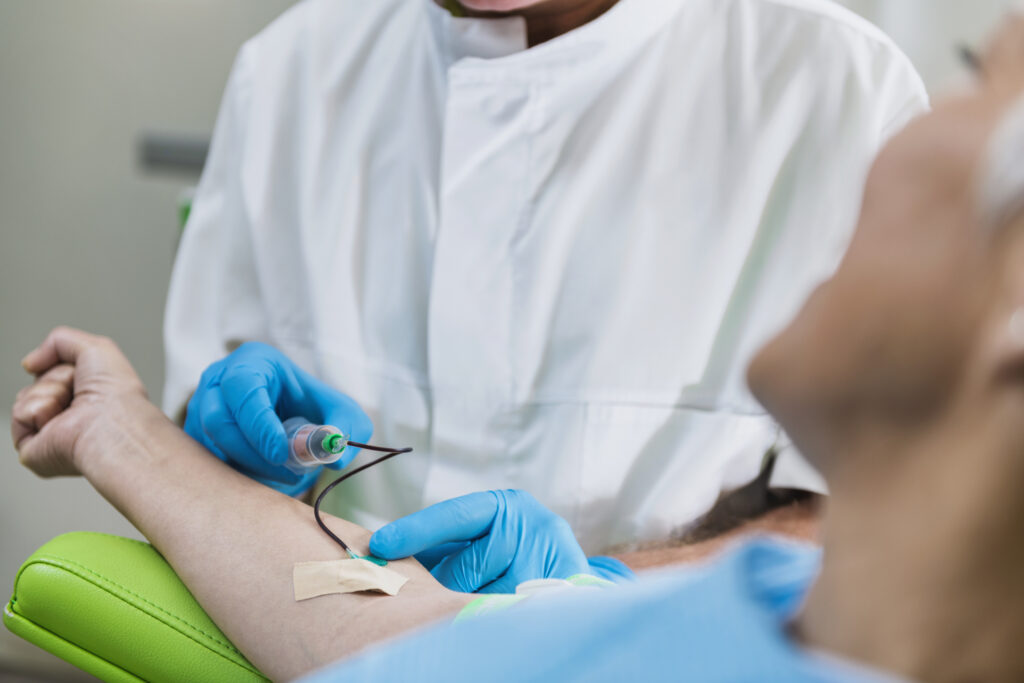
This paper, published in the International Journal of Spine Surgery (2021), investigates the safety and complications associated with injecting orthobiologics (like PRP and bone marrow concentrate) into spinal discs to treat chronic back pain.
A systematic literature review evaluating the incidence and mitigation of infectious complications.

The Jerome et al. review highlights that while intradiscal orthobiologic injections show clinical promise, they carry a small but serious risk of spondylodiscitis, with a literature-based complication rate between and 0.74% for intradiscal mesenchymal signaling cell (MSC) injections and 0.52% for platelet-rich plasma (PRP) injections based on published clinical data.
A retrospective study of intradiscal PRP concentrations and their effects on discogenic pain outcomes.
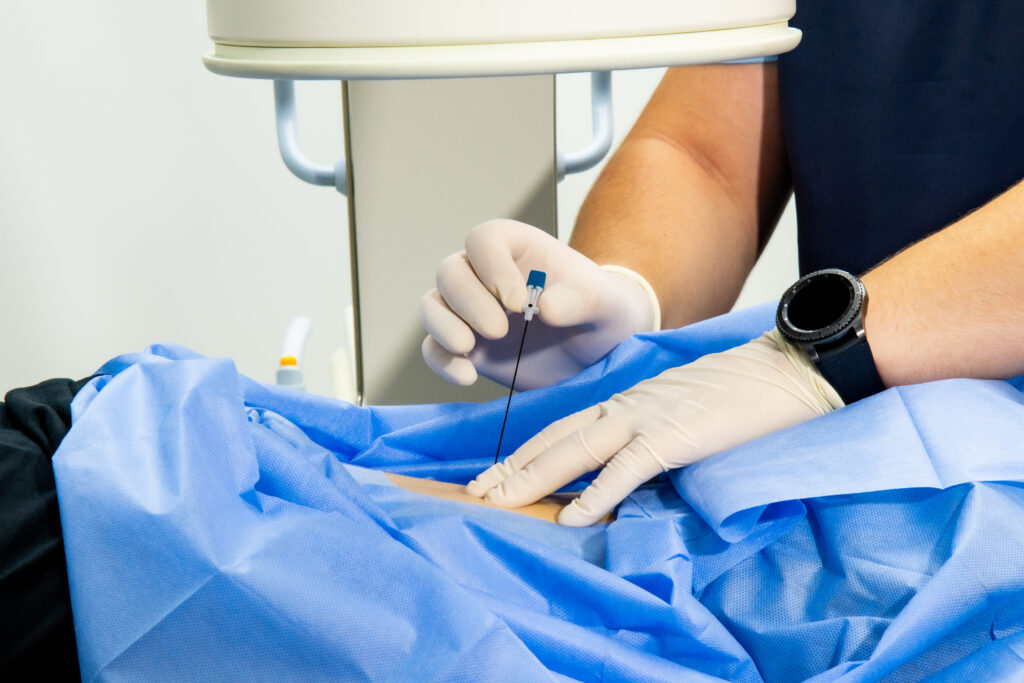
A 2022 retrospective study by Lutz et al. found that intradiscal injections of higher-concentration (> 10x) platelet-rich plasma (PRP) significantly outperform lower-concentration (< 5x) preparations for chronic lumbar discogenic pain.
A prospective trial of intradiscal platelet-rich plasma (PRP) for the treatment of lumbar discogenic pain.

In this 2022 prospective trial, researchers found that a single intradiscal injection of autologous platelet-rich plasma (PRP) significantly reduced pain and improved lumbar function in patients with chronic discogenic low back pain over a 48-week period.
Randomized control trial assessing the efficacy of platelet-rich plasma injections for lumbar discogenic pain.

This randomized controlled trial investigated the efficacy of single autologous platelet-rich plasma (PRP) injections for patients suffering from chronic, moderate-to-severe lumbar discogenic pain.
Study comparing long-term outcomes comparing bone marrow concentrate vs microfragmented adipose tissue injections.
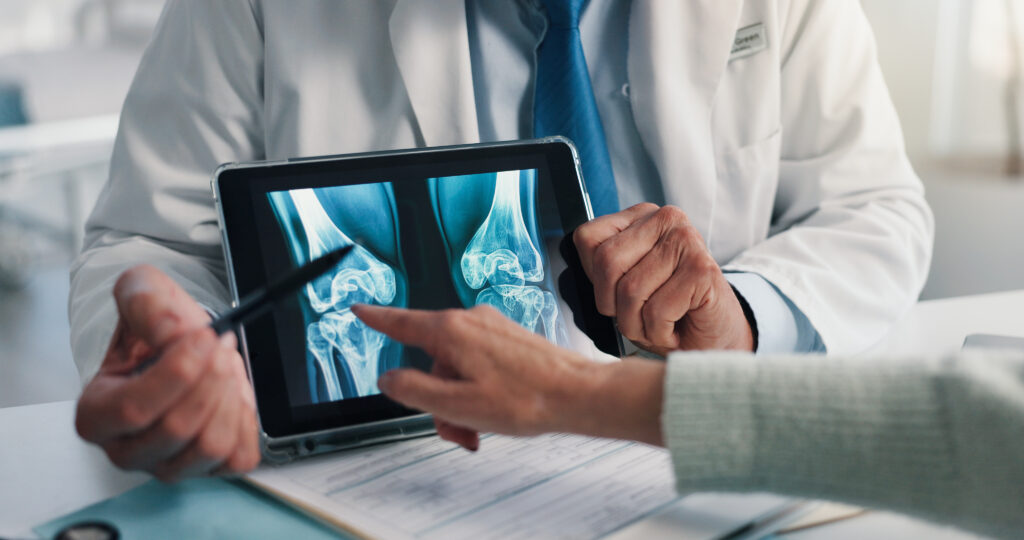
This study by Mautner et al. compared the clinical efficacy of Microfragmented Adipose Tissue (MFAT) versus Bone Marrow Aspirate Concentrate (BMAC) injections
Diagnostic accuracy of ultrasound as an adjunct to electrodiagnostic studies for carpal tunnel syndrome.

A 2025 meta-analysis in HAND concludes that neuromuscular ultrasound (US) and electrodiagnostic (EDX) studies possess statistically equivalent accuracy for confirming carpal tunnel syndrome.
Diagnostic accuracy of ultrasound combined with electrodiagnostic studies for carpal tunnel syndrome.

This 2024 study of 96 wrists demonstrated a significant correlation between ultrasound findings and electrodiagnostic severity, showing that median nerve cross-sectional area (CSA) and wrist-to-forearm ratio (WFR) increase as carpal tunnel syndrome worsens.