
Level 3, prospective study compares the efficacy of bone marrow concentrate (BMC) targeting the functional spinal unit (facet and sacroiliac joints, and epidural space) vs conventional therapy in treating patients with chronic low back pain.
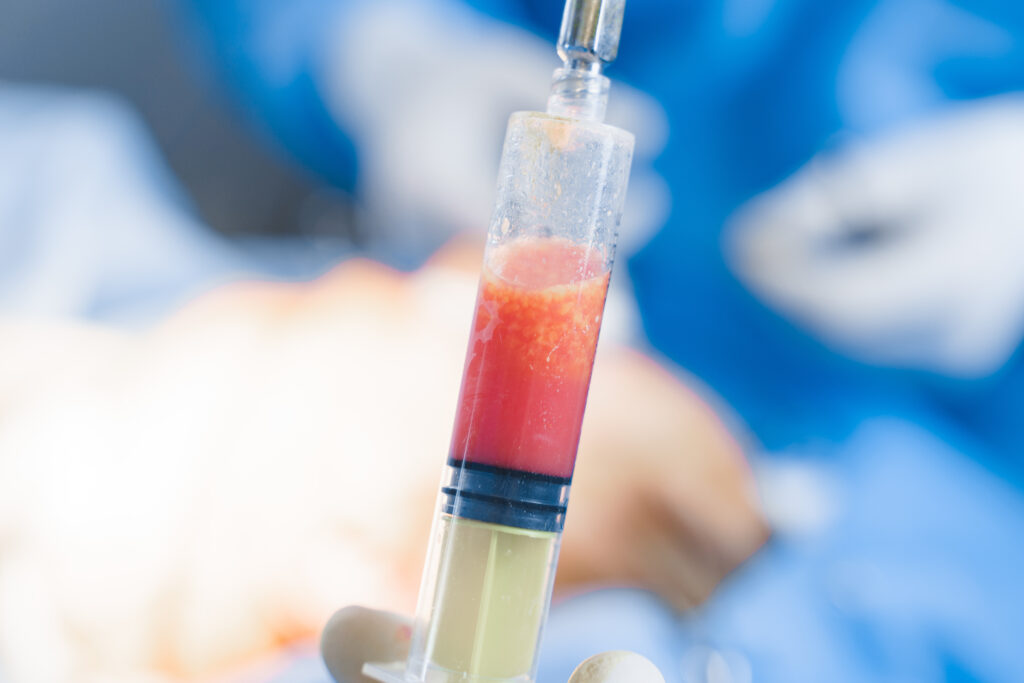
This 12-month, open-label, nonrandomized prospective controlled trial evaluated the effectiveness and safety of a one-time injection of autologous bone marrow mesenchymal stem cells (BM-MSCs) targeted simultaneously into multiple spinal structures (discs, facets, spinal nerves, and sacroiliac joints) to address severe chronic low back pain from multi-structure lumbar degeneration.
Level 1 prospective RCT comparing the efficacy of epidural platelet-rich plasma (PRP) vs epidural corticosteroid in treating patients suffering from radicular pain due to lumbar disc herniation.

This prospective, randomized, controlled trial compared the efficacy and safety of ultrasound-guided transforaminal injections of autologous platelet-rich plasma (PRP) versus steroids in 124 patients suffering from radicular pain due to lumbar disc herniation.
This Level 1 randomized controlled trial (RCT) compares the efficacy of epidural platelet-rich plasma (PRP) versus epidural corticosteroids for patients with single-level disc herniation and radicular leg pain.
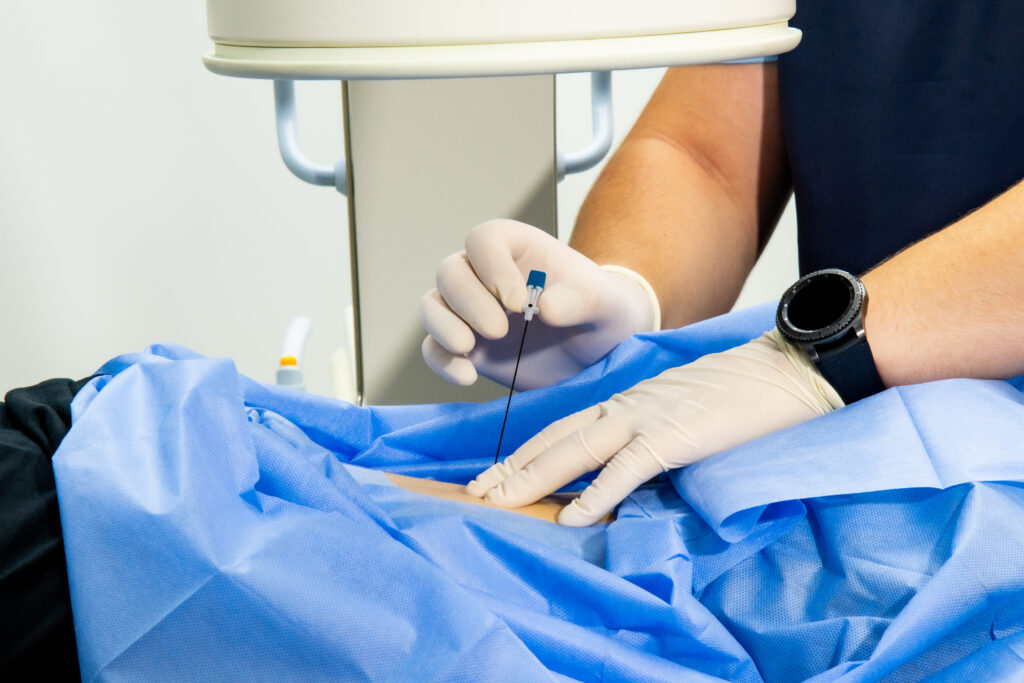
This triple-blinded randomized controlled trial evaluated the efficacy and safety of autologous platelet-rich plasma (PRP) versus a traditional corticosteroid (triamcinolone) via transforaminal epidural injection for single-level lumbar disc herniation.
Level 1 study comparing 15-year outcomes of interosseous bone marrow concentrate injection (IO BMAC) vs total knee replacement (TKA) surgery for knee osteoarthritis.

In a landmark 15-year study of 140 patients between the ages of 65 and 90, researchers compared the outcomes of Total Knee Arthroplasty (TKA) in one knee against subchondral Bone Marrow Concentrate (BMC) injections in the other.
A systematic literature review evaluating the incidence and mitigation of infectious complications.

This paper, published in the International Journal of Spine Surgery (2021), investigates the safety and complications associated with injecting orthobiologics (like PRP and bone marrow concentrate) into spinal discs to treat chronic back pain.
A systematic literature review evaluating the incidence and mitigation of infectious complications.

The Jerome et al. review highlights that while intradiscal orthobiologic injections show clinical promise, they carry a small but serious risk of spondylodiscitis, with a literature-based complication rate between and 0.74% for intradiscal mesenchymal signaling cell (MSC) injections and 0.52% for platelet-rich plasma (PRP) injections based on published clinical data.
A retrospective study of intradiscal PRP concentrations and their effects on discogenic pain outcomes.
A 2022 retrospective study by Lutz et al. found that intradiscal injections of higher-concentration (> 10x) platelet-rich plasma (PRP) significantly outperform lower-concentration (< 5x) preparations for chronic lumbar discogenic pain.
A prospective trial of intradiscal platelet-rich plasma (PRP) for the treatment of lumbar discogenic pain.

In this 2022 prospective trial, researchers found that a single intradiscal injection of autologous platelet-rich plasma (PRP) significantly reduced pain and improved lumbar function in patients with chronic discogenic low back pain over a 48-week period.
Randomized control trial assessing the efficacy of platelet-rich plasma injections for lumbar discogenic pain.

This randomized controlled trial investigated the efficacy of single autologous platelet-rich plasma (PRP) injections for patients suffering from chronic, moderate-to-severe lumbar discogenic pain.
Clinical study assessing the efficacy and safety of minimally invasive ultrasound procedures in the treatment of chronic tendinopathy.

This 2016 study explores ultrasound-guided interventions for chronic tendinopathy, targeting degenerative angiofibroblastic hyperplasia rather than simple inflammation.